Tui-Na Massage Therapy
Restore & Rebalance in Ottawa
Ancient Hands, Modern Healing
Long before spas, machines, or physiotherapy clinics existed, healing began with the human hand. Across thousands of years, Chinese medicine developed one of the world’s oldest and most refined forms of manual therapy — Tui Na (推拿).
Meaning “to push and grasp,” Tui Na is more than just massage. It’s a therapeutic discipline of Traditional Chinese Medicine (TCM) that uses specific touch techniques to balance the body’s energy, release tension, and stimulate natural healing.
At Lotus Care (心莲堂), we practice Tui Na Massage Therapy not simply to relieve discomfort, but to restore flow and harmony throughout the body. While it may not always feel like the relaxing strokes of a spa massage, patients often leave with a deep, quiet calm — a sense that both body and mind have been realigned.
What Is Tui Na?
Tui Na translates literally to “push and grasp.” It’s a form of Chinese medical massage that dates back more than 2,000 years and remains a cornerstone of Traditional Chinese Medicine alongside acupuncture and herbal therapy.
Unlike Western massage, which focuses primarily on muscle relaxation, Tui Na targets acupuncture points, meridians, and energy pathways (Qi flow) to address the root causes of imbalance.
Through a sequence of kneading, pressing, rolling, stretching, and pinching movements, practitioners stimulate Qi and Blood circulation, release stagnation, and harmonize internal organs. The technique can feel invigorating or deeply firm, yet it always aims for one outcome — balance.
The Philosophy: Flow, Balance, and Connection
In TCM, good health depends on the smooth flow of Qi (vital energy) through the body’s meridians. Pain, stiffness, or fatigue arise when Qi is blocked or stagnant. Tui Na Massage Therapy acts as a physical bridge between energy and structure — guiding movement back to its natural rhythm.
Each session is a dialogue between practitioner and patient: the practitioner “listens” with their hands, identifying areas of tension, imbalance, or deficiency, then applies rhythmic pressure to release stagnation and awaken circulation.
This process doesn’t just work the muscles — it influences the nervous system, lymphatic flow, and even emotional balance. In essence, Tui Na reconnects you with your body’s inner intelligence.
How Tui Na Differs from Western Massage
While both Tui Na and Western bodywork use touch as therapy, the philosophy and intent are quite different:
| Aspect | Tui Na Massage Therapy | Western Massage Styles |
|---|---|---|
| Goal | Balance Qi and restore internal harmony | Relax muscles and reduce tension |
| Focus | Specific acupuncture points and meridian pathways | Muscles, fascia, and circulation |
| Technique | Rhythmic pressing, kneading, pinching, rolling | Long gliding strokes, effleurage, kneading |
| Sensations | May feel stimulating or intense during treatment | Typically soothing and gentle |
| Outcome | Deep, post-treatment calm and energetic clarity | Immediate relaxation and muscle relief |
The distinction is simple: Western massage relaxes; Tui Na realigns. Both are valuable, but Tui Na’s precision allows it to reach deeper layers of healing that extend beyond the surface.
The Techniques: Precision in Motion
Tui Na Massage Therapy involves a wide variety of hand methods and rhythmic patterns, each chosen according to the patient’s condition. Common techniques include:
Gun Fa (滚法) – Rolling the forearm or hand to stimulate large muscle areas and improve circulation.
An Fa (按法) – Pressing along meridians to activate acupuncture points and move stagnant Qi.
Rou Fa (揉法) – Gentle circular kneading to relax tight fascia and muscles.
Na Fa (拿法) – Pinching or grasping areas of tension to release energetic blockages.
Tui Fa (推法) – Rhythmic pushing to warm the tissues and guide Qi through the channels.
Pai Da (拍打) – Light percussion to awaken the nervous system and increase vitality.
Each movement is performed with intention — harmonizing internal systems and guiding the body back toward dynamic balance.
What to Expect During a Tui Na Session
A session at Lotus Care begins with an assessment — we discuss your concerns, energy levels, and areas of discomfort. Using traditional diagnostic methods like pulse and palpation, your practitioner identifies which meridians or organ systems require support.
During Treatment
You remain fully clothed in loose, comfortable attire. The practitioner uses hands, fingertips, palms, or elbows to apply focused pressure to specific regions. The sensation may range from gentle warmth to firm pressure.
Tui Na isn’t designed purely for relaxation; at times, the touch may feel deep or invigorating. Yet by the end of the session, most patients report a profound sense of ease and clarity, as if their body has been gently re-tuned.
After Treatment
You may feel light, calm, or slightly drowsy — a sign that Qi flow has been restored. Mild soreness can occur if deep stagnation was released, but it fades quickly and is usually followed by lasting relief.
Hydration and gentle movement afterward help the body integrate the changes.
Conditions That May Benefit
Because Tui Na addresses both structural and energetic patterns, it can support a wide variety of conditions:
Musculoskeletal pain: neck, shoulders, back, sciatica, and joint stiffness
Sports injuries and repetitive strain
Headaches and tension-related discomfort
Digestive imbalance: bloating, sluggish digestion, or abdominal tension
Respiratory issues: chest tightness, shallow breathing
Stress, anxiety, and fatigue
Circulatory or lymphatic stagnation
For many, Tui Na becomes part of a regular wellness routine — maintaining mobility, improving posture, and supporting the body’s natural defense systems.
Integrating Tui Na with Other Therapies
At Lotus Care (心莲堂), Tui Na is often combined with acupuncture or herbal therapy for comprehensive results.
With Acupuncture: The massage opens the meridians, allowing acupuncture needles to work more efficiently.
With Herbal Medicine: Internal herbs nourish what Tui Na stimulates externally, accelerating recovery and balance.
With Lifestyle Guidance: Breathing exercises and stretches prolong the benefits between sessions.
This integrative approach ensures the body heals on every level — structural, energetic, and emotional.
The Science Behind the Tradition
Modern research supports what Traditional Chinese Medicine has known for centuries: Tui Na stimulates the nervous system, improves blood flow, and modulates pain responses.
Studies have shown that regular sessions can:
Increase flexibility and range of motion
Reduce chronic pain and muscle tension
Enhance sleep quality
Lower stress hormones like cortisol
Support immune function
These measurable effects demonstrate that ancient wisdom and modern science often speak the same language — the language of the body.
Safety and Professional Standards
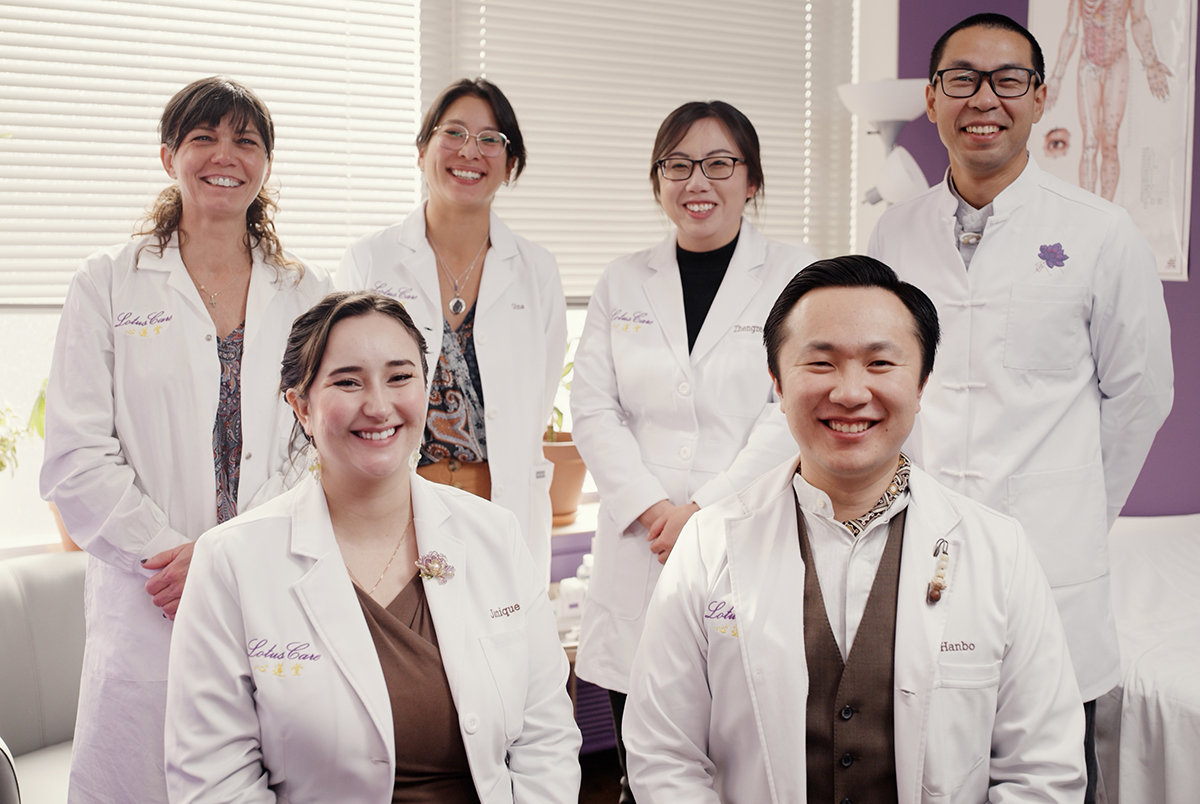
At Lotus Care, all Tui Na Massage Therapy is performed by qualified practitioners trained in Traditional Chinese Medicine anatomy, physiology, and meridian theory.
We maintain:
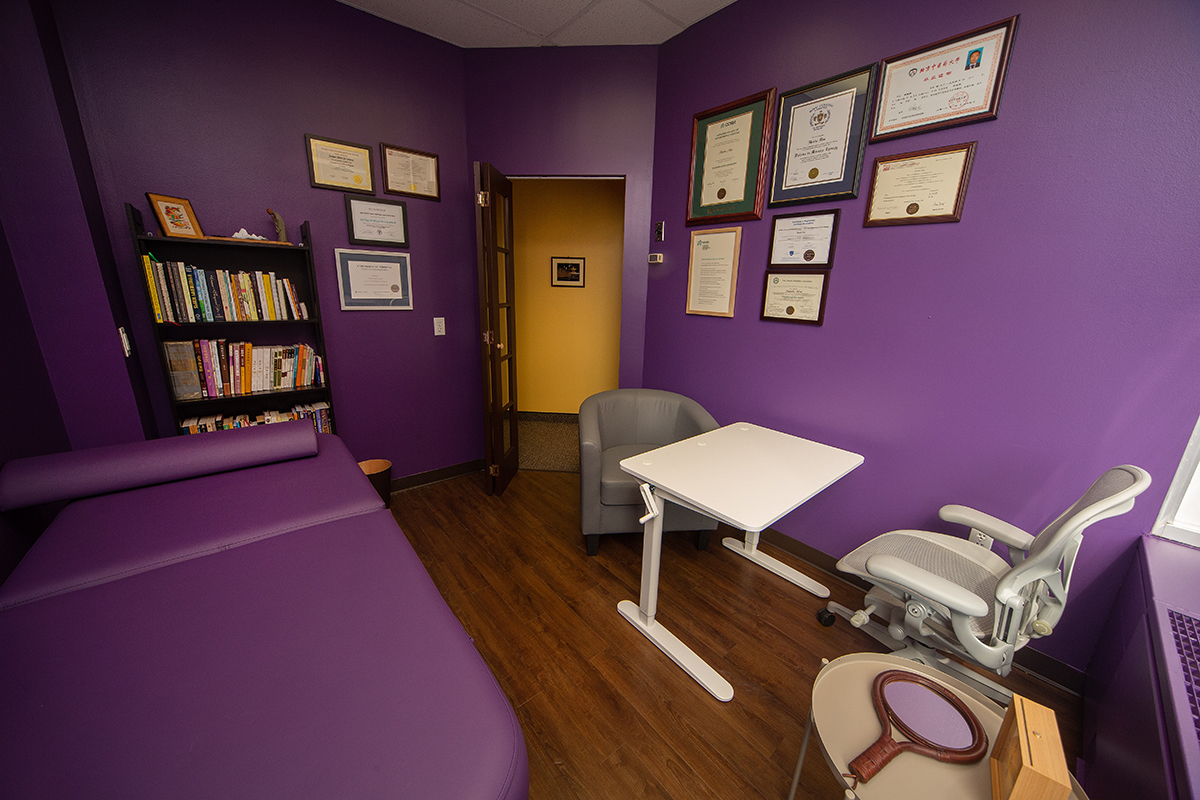
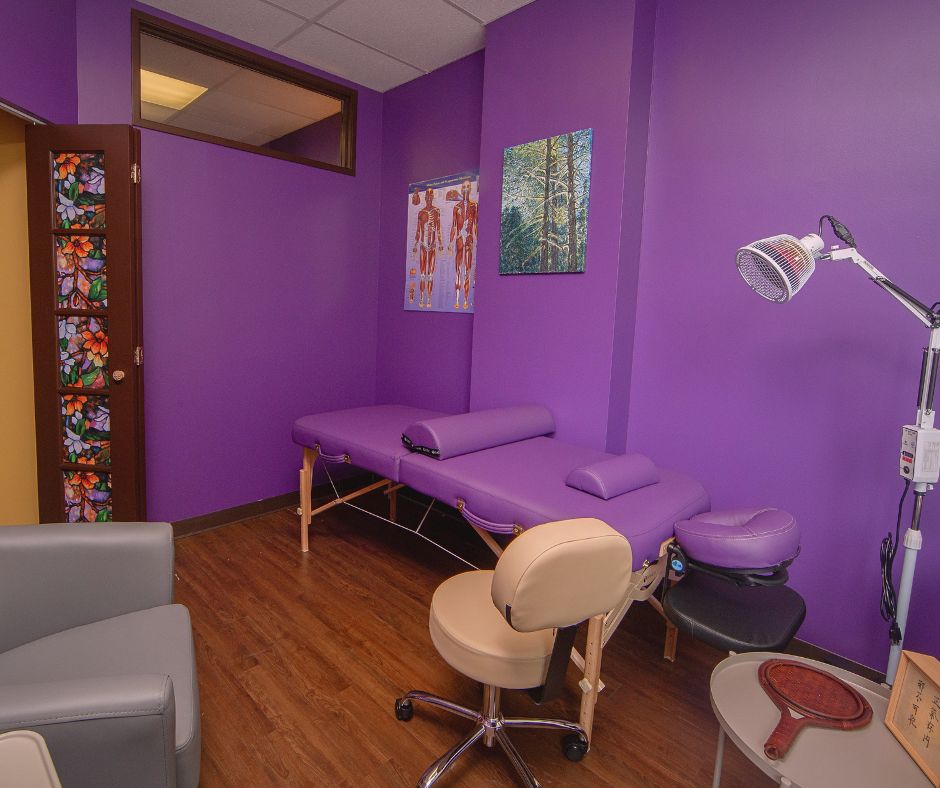
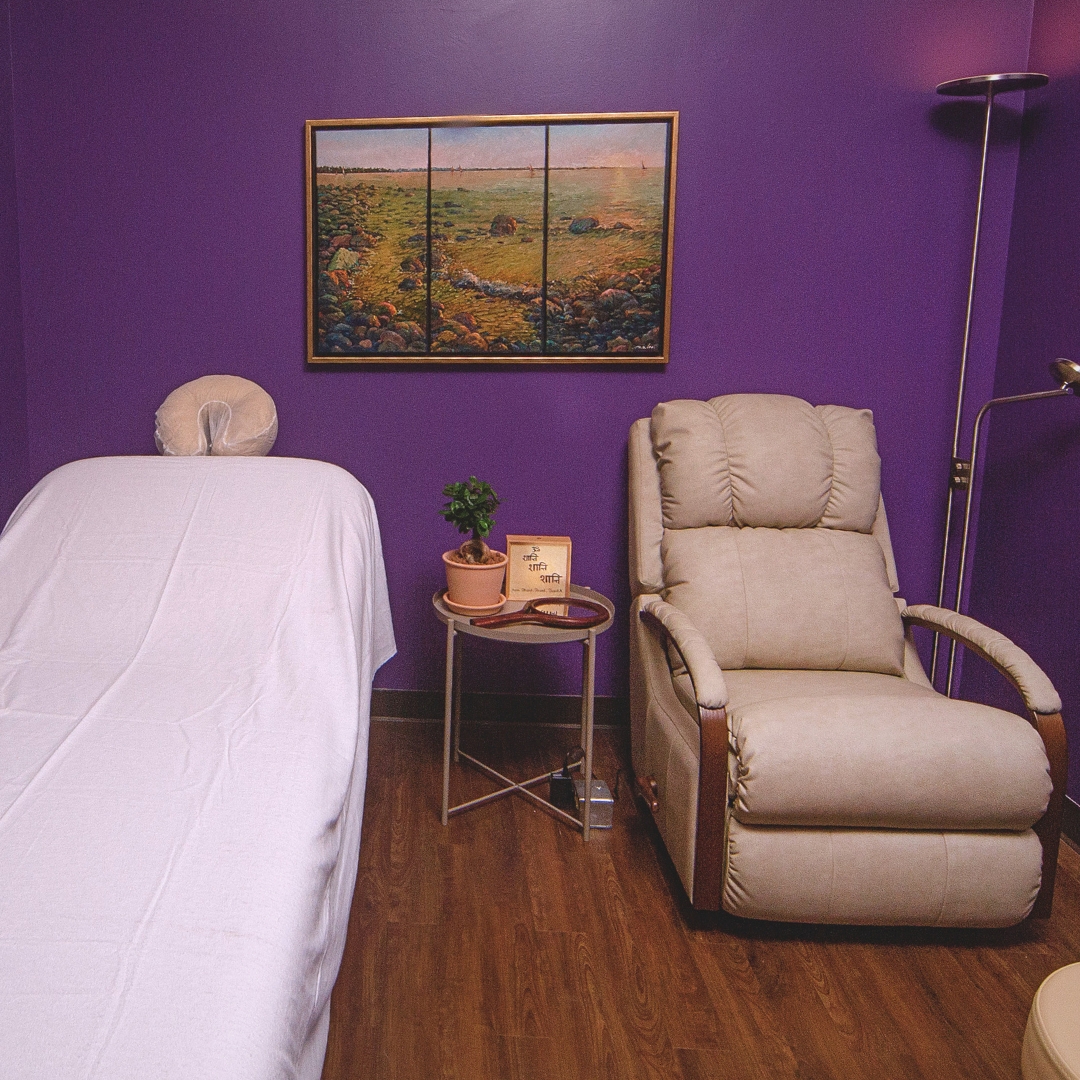
Clean, professional environments with proper hygiene and safety standards
Thorough assessments before every session to determine suitability
Open communication to ensure your comfort and consent throughout treatment
Our goal is to help you feel confident, informed, and empowered in your healing journey.
Carrington
- 1081 Carling Ave, Unit 600 (Opening April)
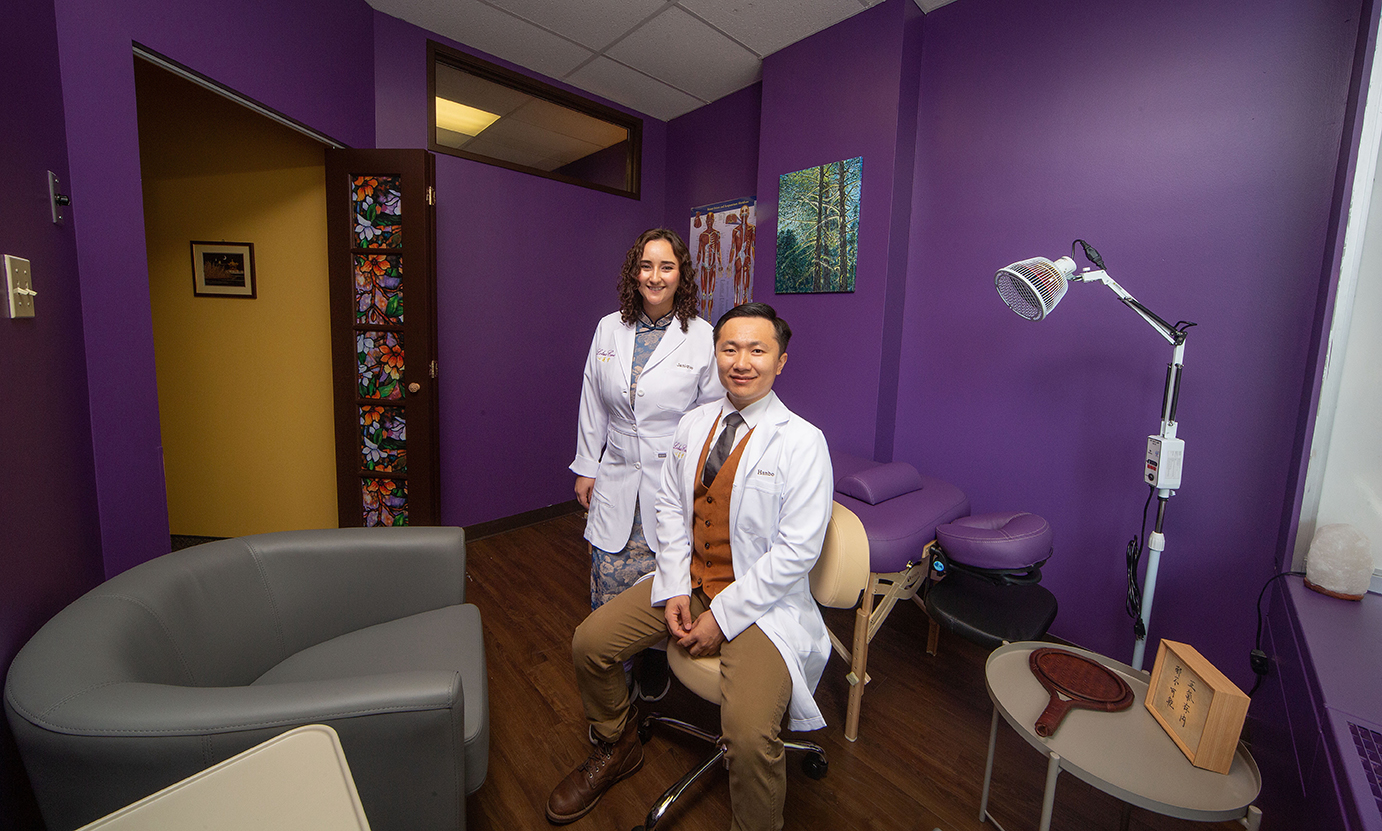
- Practitioners: Hanbo, Frank, April
Centretown
- 225 Metcalfe St, Unit #404 (Current Location)
- Practitioners: Gina, Bonnie
Restore & Rebalance in Ottawa
Carling Ave.
- 1081 Carling Ave, Unit 600 (Opening April)
- Practitioners: Hanbo, Frank, April
Metcalfe St.
- 225 Metcalfe St, Unit #404 (Current Location)
- Practitioners: Gina, Bonnie
Hours of Operations
- Monday-Saturday: 8am-8pm
- Sunday: Closed